Tradition and the Mystery of Christ
September 17, 2026
3
min
read
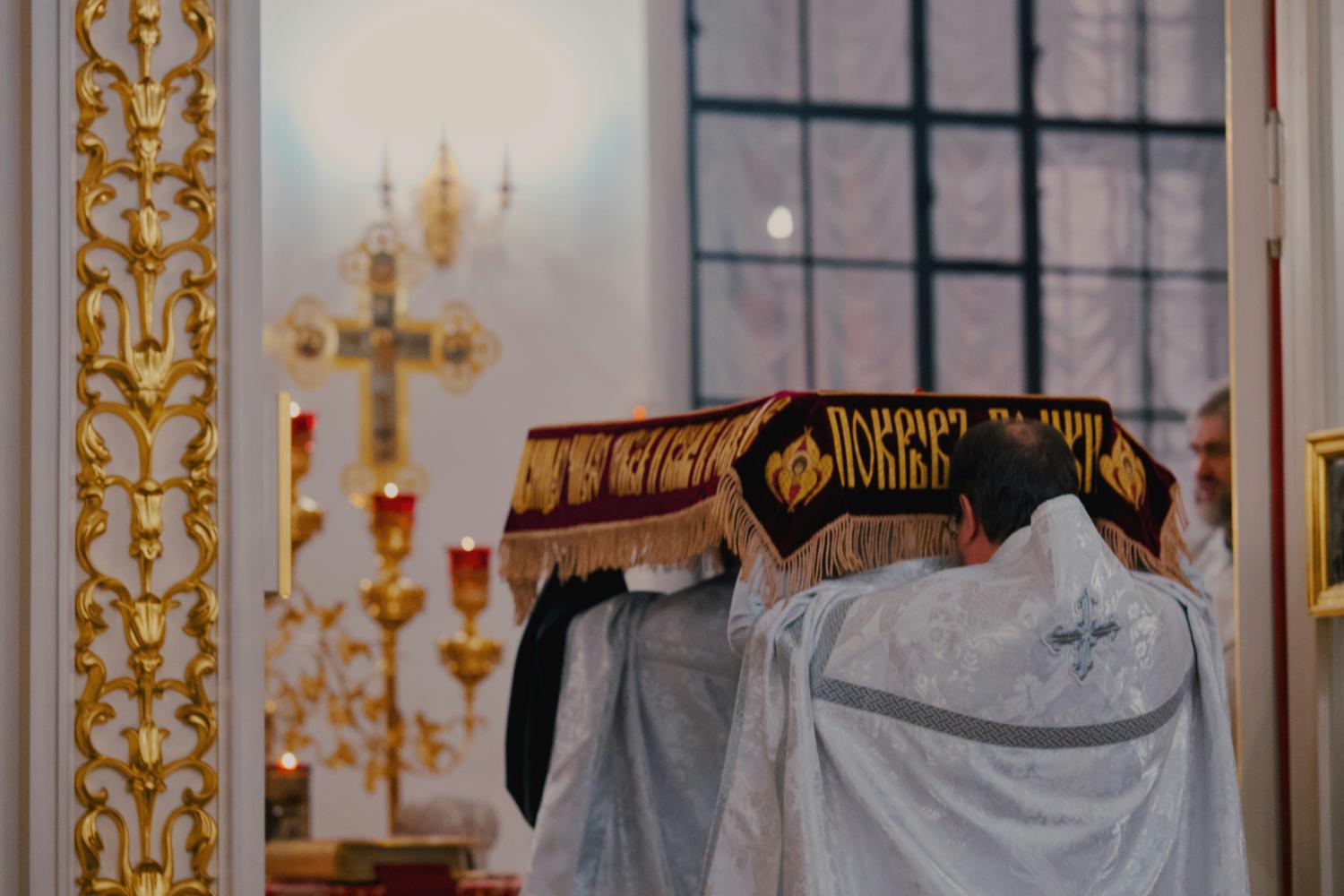
The annual Catholic Medical Association conference took up a new, somewhat surprising topic as its point of focus this year: “how the Eastern Church’s emphasis on mystery, united with the Western Church’s emphasis on reason, can give a more comprehensive view of human identity” in the work of healing.
It’s one moment where the dictum Pope Saint John Paul II gave years ago has been given a concrete place, in the life of the Church: “The Church must breathe with her two lungs,” the Pope had said, referring to the need for both the Western and the Eastern Christian traditions to be given a place in our thinking about Christian theology, liturgy, and spirituality.
But perhaps it can be difficult to pinpoint exactly how these two traditions are meant to complement each other. If we need them both, they must have unique qualities, points of emphasis that enrich rather than contradict or simply reinforce each other. So what are those qualities and points of emphasis? How might we pinpoint the ways that the East and the West need each other?
On a theological level, perhaps the simplest way to put it is that the West has tended to place stress on the atonement of Christ, whereas the East has emphasized his incarnation. This is in part the fruit of each’s history: it was in the West that Saint Augustine tussled with the Pelagians, and where Protestantism grew up over questions about how our salvation is gained. The means of our justification thus became the great religious question for Westerners, and so the atonement became central to their thinking.
But in the East, theologians and thoughtful Christians over the course of their history have been taken by the promise of deification. They’ve been captivated by the hope the incarnation extended to the human race: that we might become like God. Legalism and debt-paying and the constraints of law and morality have therefore taken a less prominent place, in those considerations. What’s been foregrounded instead has been the great mystery of who we are, in the light of who Christ is – the destiny his flesh has manifested for us.
Then, too, the central institutions of the Eastern and Western traditions have been distinct. This treasuring of mystery in the East has nurtured a special love for the liturgy. As a result, monasteries have been the great centers of Eastern faith, as places where the liturgy is free to come into its fullest form. In the West, however, pastoral realities have had more prominence in how we think about the life of the Church. And this has resulted in a more robust parish life, which has tended to enable a more pragmatic approach to caring for individual’s spiritual lives. The East has cherished mysticism, in other words, the West practical efficiency. And both indeed have been necessary for sustaining both the spiritual and the concrete life of the Catholic Church.
So, the Catholic Medical Association has offered a good model here, for making tangible JPII’s hope for the Church. The Church indeed should breathe with her two lungs, making room for two traditions that, together, help us to see the full mystery of Jesus Christ.