The Basis of Dignity
January 8, 2026
4
min
read
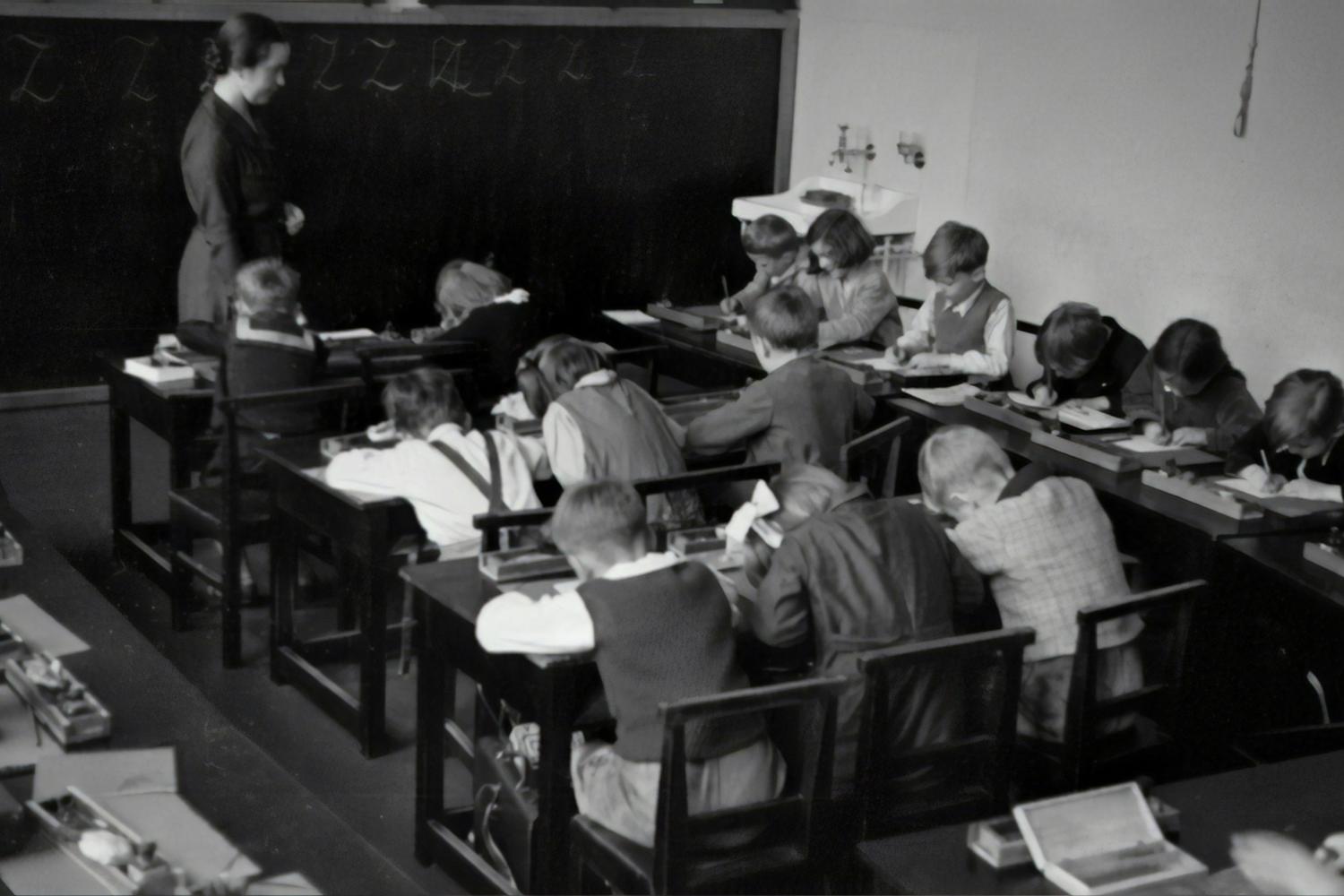
“The education story of the year,” a recent opinion piece noted, “has been the ‘Southern Surge.’” It’s a reference to the way southern states – historically those with the lowest academic achievement levels – have led the way in reattaining pre-Covid test scores in the years since the pandemic. Mississippi, for instance, moved from 49th to seventh in the nation in fourth-grade reading scores, despite remaining the poorest state in the country.
So what’s going on? The article offers a few suggestions – “early literacy laws” that incorporate things like phonics, “universal literacy screeners,” and heavy-handed curricula. If not revolutionary, there’s something perennially valuable about the discipline of basic study, the south’s outcomes are suggesting. But, alongside all that, the piece also notes a difference in non-academic policy between southern states and the rest of the nation, particularly in the area of discipline. “The states seeing the greatest gains academically,” the author writes, “are also the ones doing the most to bring order and stability to their schools.”
It’s a point that would make schools with more “progressive” takes on education bristle – places that favor, instead, less stringent and more sympathetic disciplinary procedures. And indeed, the piece notes that much of the policy and legislation allowing for the stricter discipline has courted opposition from “equity advocates.” Such advocates tend to have an allergy to systems of reward and punishment or winners and losers that risk making one person feel like he or she is less than another. So, measures like suspension, which could make a student feel unwanted or shamefully “other,” they’d prefer to reserve for only really, really serious cases.
But it’s not that such folks are just inexplicably inclined to making everybody feel included, happily receiving their participation ribbons. There’s something serious to be said for their point of view, actually – they’ve got an intuitive sense that there is an equality of human dignity, that we’re all on a level in some way. And there’s a lot of truth in that.
The problem is that a clear basis is needed for defining that equality and dignity. For Christians, that basis is found in the conviction that we’re all created by God, and that he honors each person not on the basis of their accidental qualities (like talent or good behavior) but on the basis of something much more profound: the fact that his own image has been imprinted upon us, and is being brought more and more into focus as his grace moves through our lives. So, a Christian can look at two people and note that one is quite beautiful, one more plain; that one is brilliant, and another less so; that one is behaving appropriately, and another is needing correction; and none of that equates to saying that the latter person isn’t worth much. All those qualities simply have very little to do with what’s most significant and interesting about a given human person.
So, why does that matter? Well, despite the reticence of “equity advocates” around policies like the south’s, their opposition isn’t serving them very well. The very thing they claim to want – improved educational outcomes – has been gotten through these stringent disciplinary policies which would tend to make them bristle. Their hesitation to correct, to enforce order, and to name disparities between two people isn’t serving even their own agenda. And that’s too bad, actually, when it comes to some of these “equity advocate” ideals, because they’ve landed on things that are at least partly good and true: the instinct to want to make every person know their worth, and the instinct to want to give every person the space and resources to do what they’re meant to do. But one needs a firm foundation to build from, if one is to serve either of those ends. One needs a clear and viable reason for saying why the person is infinitely worthy, apart from what they do or what talents they have, such that there’s freedom to assist and encourage and redirect them toward coming into, and living from, their true dignity.