The Jews in the Turbulence of the Modern Imagination
February 5, 2026
3
min
read
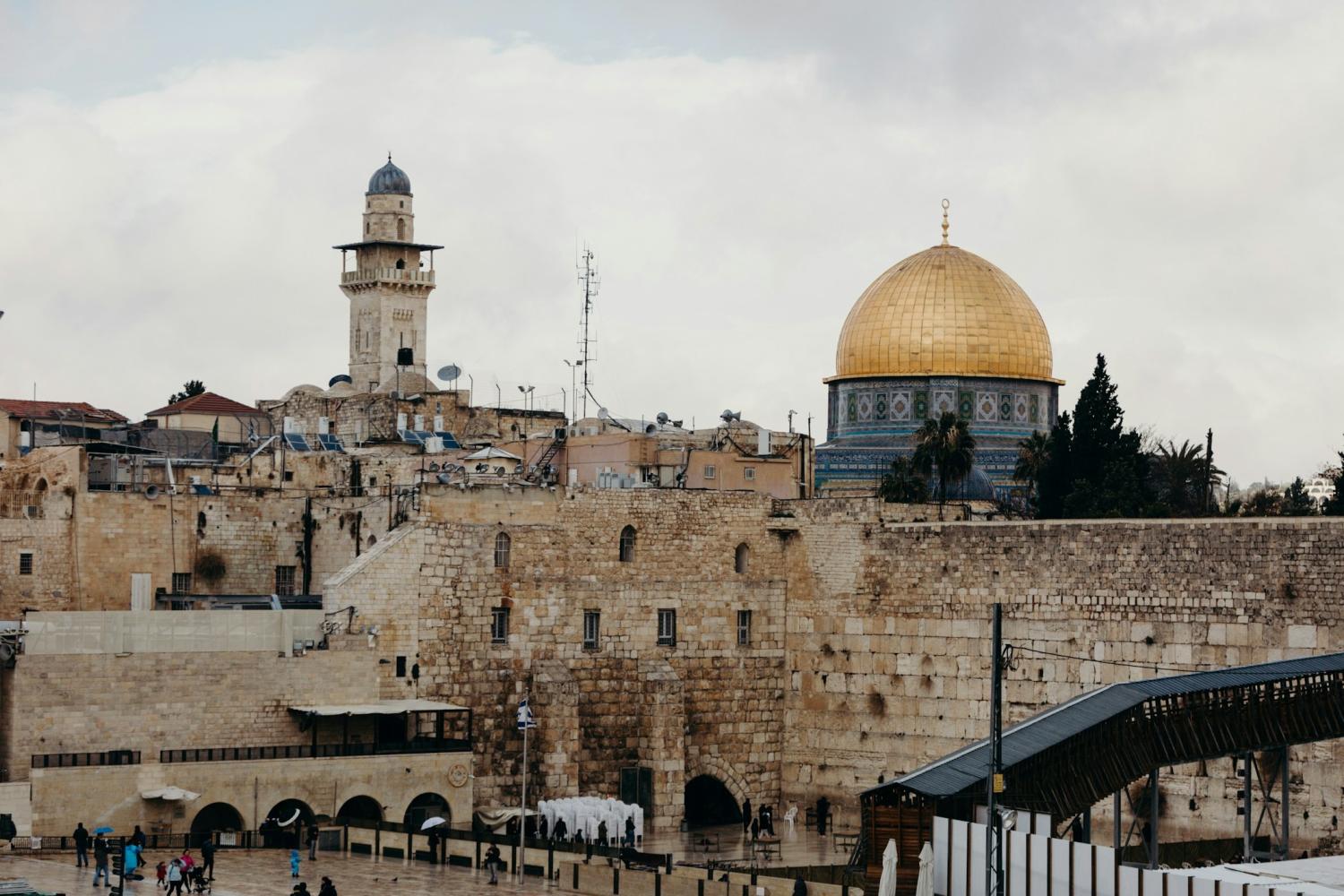
Anyone who’s paid attention to the news in the last several months would notice a strange strand of antisemitism rearing its head. Partly the fruit of the conflict in Gaza, but also at the center of lots of the turbulence on college campuses in the last year or two, or even in the subtext of the Jeffrey Epstein drama, it’s a prejudice that has seemed oddly sanctioned in our present, social-justice-championing world. And the response on the part of those who practice Jewish religion or support the Jewish cause has sometimes been equally passionate, spurring a cycle of push and pull over the Jewish place in the world that can seem perplexing. Sure, there are grave questions being asked about the state and cause of Israel, and staunch opinions happening on all sides of those questions. But the racialized scorn that has been one fruit of those debates has merited a raised eyebrow. Why such intense hate?
It’s especially curious because the Jewish population is a comparatively small one. There are some 15–16 million Jews in the world, as compared to 2 billion Muslims or 2.5 billion Christians. And yet they’ve become a go-to target for this kind of derision. Why would so much energy be spent on them, when, judging simply by the numbers, they wouldn’t seem to be an especially imposing or threatening populace?
It’s one place where the supernatural perspective is necessary to get the natural one right. Of course, there are political and social questions at play here that are relevant. But there are also religious – and divine – ones that are equally so. The reality is that the Jews constitute the population that the majority of people in the world believe God elected as those whom he would first reveal himself to. They are his Chosen People, and as a result have been one of the main stages upon which his work in the world has taken place. That’s been both their great privilege and their great burden.
It’s been their privilege, of course, because they have been at the center of the drama of salvation – the people and tradition from whom our great players in that drama, from Abraham to Moses to Mary and Jesus himself, have come. But it’s been their burden in that they’ve represented something that the rest of the world can’t avoid, and that doesn’t always sit well, amidst a fallen race: the reality that God entered human history, and claimed one nation as his own.
The incarnated consequences of that reality, then, would and have logically followed. Of course the Jewish people would continue to find a place in the main arena of human affairs; of course they would continue to cause divided loyalties and court (without necessarily intending to) painfully divided sentiments, much like the God they worship does. God’s call always entails great grace and great peril, and his actions in human life reverberate through time and history. And whatever else those realities mean, they signal something worth being reminded of, something real and momentous: the true weight of the invisible world we believe in, and the force and tangible power of the story of salvation history that so much of the human race has put stake in.