Labor and Creation
July 9, 2026
3
min
read
Magnifica Humanitas, Pope Leo’s first encyclical, has continued to make its ripples. Word on Fire posted this piece the other day, which asserts that the papal document is appearing “to function as a real-time macroeconomic prediction.” The author is pointing to an end that is increasingly in sight for tech companies like Elon Musk’s SpaceX: namely, the systematic replacement of human labor – and specifically complex intellectual labor – with artificial intelligence.
That goal isn’t meant to inspire trepidation, the article notes, or to conjure up images of a world in which unemployment and poverty run rampant. It’s meant to inspire quite the opposite: a vision of a future in which robots do all the labor, and we’re free to enjoy life, to relax, to spend our time doing whatever we want.
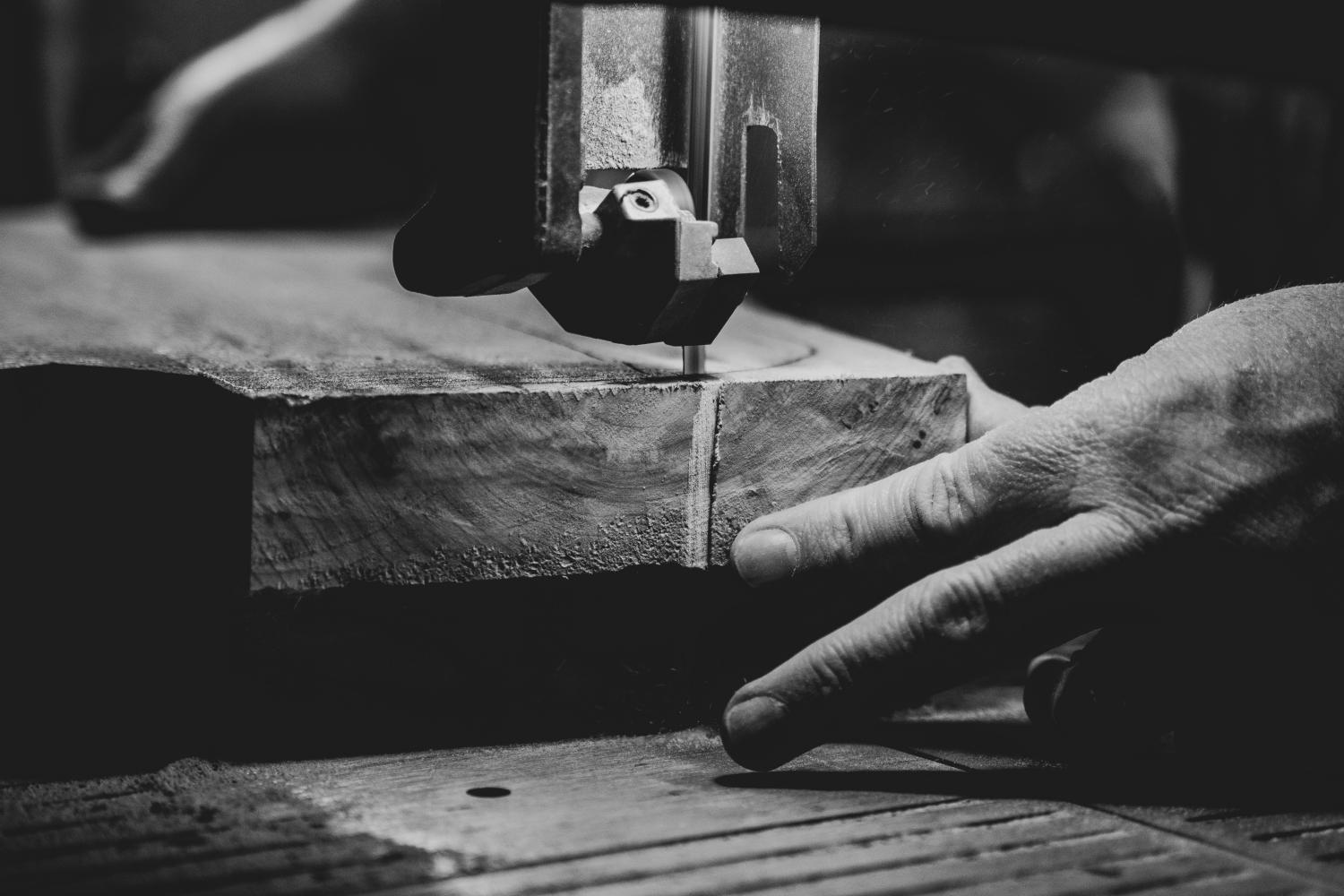
But this latter vision should, perhaps, still serve as equal cause for trepidation. For it hinges on the belief that work is an evil to be eliminated from our lives – and that may not be quite true. In a Christian vision, for instance, work isn’t intrinsically bad; instead it’s been a part of human life from the very start, even in those prelapsarian days in the Garden of Eden. Indeed we find from the beginning that Adam was placed in a garden to tend to it, to work to bring things to their full potential. The same is true for us. We’re also placed in circumstances that require tending to, and we’re meant to work and cultivate and toil and improve what we’ve been given. And this isn’t meant as an infringement upon us. Rather it’s an essential aspect of our great dignity. For part of what God created us to do is to be “sub-creators” after his own image. He meant for us to have a share in bringing creation to its fullness.
In doing so, work also has the capacity to humanize us, in a way that we should be reticent to give up. It brings our faculties to their full potential. For there’s a struggle in human labor, both physical and intellectual. We have limitations that we have to work through – slowness, experiences of boredom, moral quandaries we need to spend time and effort on. But that struggle isn’t just an unfortunate means to our necessary end. It’s not just an inconvenience we have to suffer through to attain our goal. It’s also a means to a transformation of our mind and soul. To sift through uncertainty, to struggle with a difficult text or email, to navigate a hard relational dynamic, to work through disappointment and pain … all of that becomes the stuff that makes us the kinds of beings we are. Without it, “our moral and spiritual faculties will atrophy,” as the Word on Fire piece notes, and without that, we’ve given up much of what it means to be human.
Perhaps this is why when people have no work, life doesn’t tend to get better, whatever Elon Musk may suggest. Instead such a life tends toward purposelessness and depression. So, while from a distance a life where robots are doing all the heavy lifting may sound idyllic, the experience of it probably stands a good chance of being quite dismal. For it stands a good chance of robbing us of an essential part of our great dignity as God’s children – our great dignity as his sub-creators.