Joy That Springs From the Cross
April 2, 2026
4
min
read
A somewhat strange article was published in the New York Times this past week. “Don’t Call Them Retirement Communities,” the piece’s title bids, before diving into a feature on a new form of “Golden Girls” style living among the elderly.
These “not-retirement-communities” consist of a form of senior living that tries to resist the stereotypes – the mediocre cafeterias, rows of recliners, and bingo nights. Instead they’re pitched as inviting personal transformation, independence, and, as the Golden Girls characterized it, “a certain sauciness.” One resident offers a memory of a dance party one of the communities hosted as an encapsulation of the ideal behind them: “The vision of all these friends and neighbors dancing, uninhibited, under the café lights and Baja stars was so joyful … It’s truly why I wanted to live there.”
One wonders, though, how deeply that “joy” can run.
Contemporary cultural life is at something of a crisis point, when it comes to our experience of aging. We’re not very good at getting old. The social position of “senior” or “grandparent” or “elderly” is seen as something not to be relished or embraced, but avoided – with Botox and facelifts and overdue retirements, or with “uninhibited” dancing under the Baja stars. We don’t quite know what age, fully leaned into, is meant to offer, and so we try to reassert authority over it, usually in the form of some kind of sideways “self-expression.”
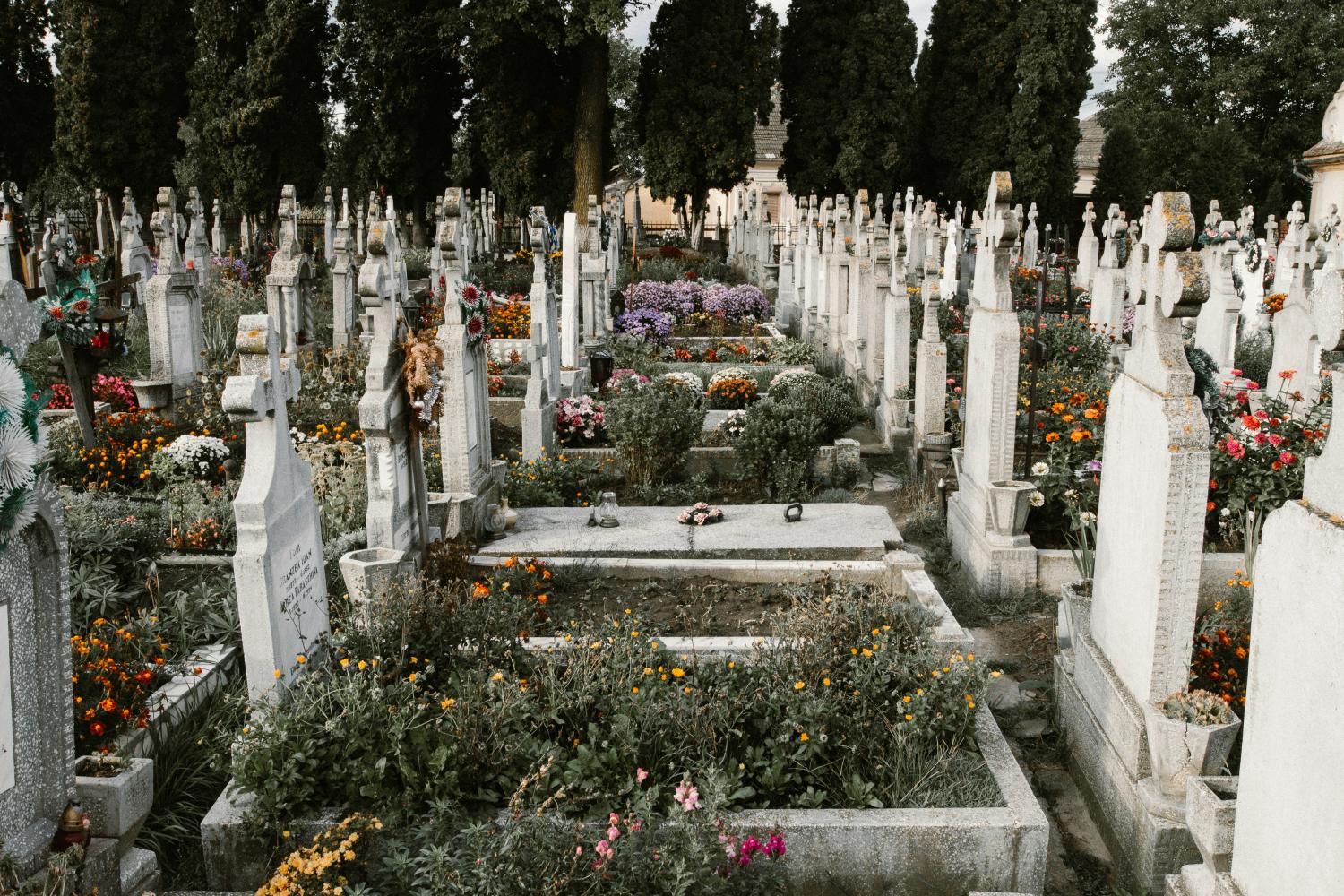
If we don’t know what aging is for, though, this might be because of a deeper problem: we also don’t seem to know what death is for. And if our culture is at a crisis point when it comes to aging, it’s most certainly at one when it comes to death.
Indeed, we could say that we hate wrinkles and rows of recliners because we hate death. It is our primordial enemy. It’s the final frontier to be conquered by our race. But – not to worry – we’ve got lots of promising tactics for managing it. We’re working on ways to avoid it, for instance: hugely sophisticated software that we can “download” ourselves into so as to live forever. And we’re also finding ways to assert ourselves over it: hence the development of “assisted dying” and the “right to die,” for example.
We won’t be conquered by age or by death, we want to say. It can’t get in the way of us living on our terms, with our own desires and our own plans.
But why is this? Why are age and death such an affront to us?
Human persons are inveterate meaning-seeking beings. We are desperate for a sense of purpose in our lives, a sense of who we are and what we’re meant to do. And we need that in every season of life – from the moment we’re able to think and wonder about such things, to the very last moments of our life. The risk exacerbated by modern culture – but innate to our fallen humanity – is to let our sense for what our lives are for turn inward: squeeze out of life what you can get, we think. Do the things you want to do. Take that time, finally, to really focus on you, lest you lose your shot to become all that you want to be.
But then, into the midst of all of this, again and again, year after year, come these days of the Sacred Triduum. And in the midst of them, our Lord Jesus comes to penetrate all of this. He comes to shatter all of our illusions about ourselves, our lives, and what’s needed to secure them. And he comes to teach us how to die. He tells us not to fear the loss of our lives, and not to grasp at them in a desperate need for autonomy. He invites us instead to learn what it means to lay our lives down, in love and for love, and in doing so to find true life. He tells us to choose to give ourselves away, totally, freely, and without counting the cost, and in doing so to find ourselves.
These coming days will proclaim the joy that springs from the cross. They’ll proclaim the promise of abundant life that lay on the other side of death. And that’s a death that we’re invited into here, now, in these days, as we accompany Christ to his cross, and as he, in turn, accompanies us to our own.
May these days be a source of renewed grace for you this year. May they restore you in hope and true, undaunted joy. May they give you indeed the joy that comes from knowing the real meaning of life – and the real meaning of death.