To Fortify and Heal Culture
January 29, 2026
4
min
read
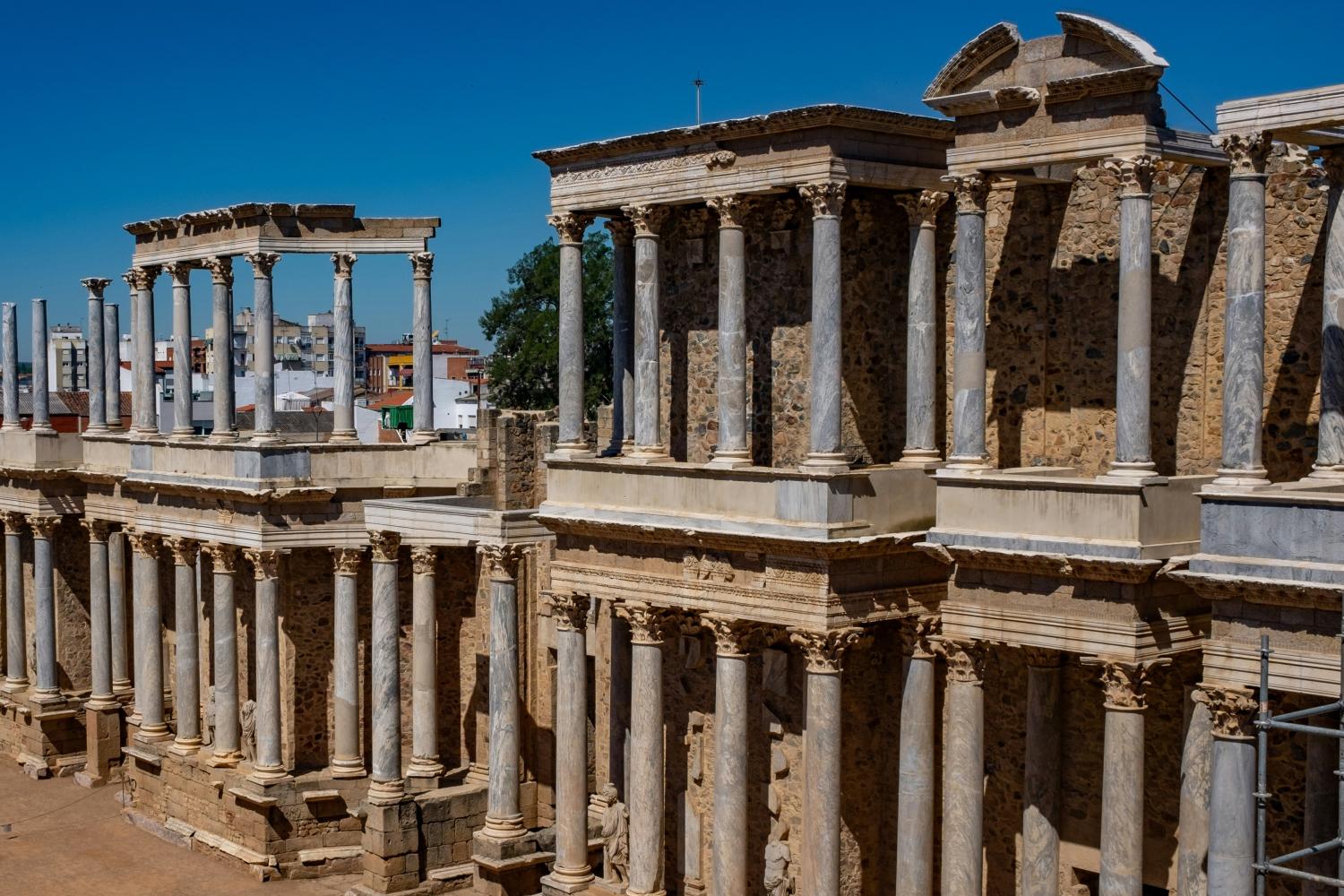
This month’s Greenland drama has sparked a wave of wide-ranging political conversation, with politicians and talking heads touching on everything from economic policy to diplomacy to trade to national security. And, in its prospective effect on international organizations like NATO, the drama’s also provoked larger, more philosophical conversations about the implications of all of that: is the age of globalism over? Has a new moment of regionalism and the prioritization of national interests arrived?
Those are big questions requiring a good deal of nuance and wisdom. But there are some related ideas at work in the background that are worth kicking around, in the meantime. For instance: in our very “globalized” world, a growing hope has been placed in ideals like “multiculturalism,” either in individual nations or for the sake of a kind of international camaraderie (the UN, for instance, is resonant with this sort of spirit; it has much to do also with something like NATO). But there can be a kind of naivete or ignorance at work there, particularly around the significance of this word “culture” and what it actually means.
Especially with the birth of Europe, which has been perceived as a community of nations who generally support each other’s interests but preserve their own traditions, a lot of stake has been placed in the idea of interculturality, of various people groups being able to “get along” while also enjoying different kinds of food or celebrating different holidays. What’s often missed there, though, is that “getting along” hasn’t just been the fruit of different groups deciding they’re willing to be collegial and generous with each other. It’s been the fruit of a mutual submission to a common spiritual ideal, an ideal which has then unified peoples who otherwise hold what are often very conflicting views. This is what Christianity was for Europe, for instance – a unifying set of truths about how things are and who we’re meant to be that then penetrated and integrated otherwise quite different people groups.
So, the development of culture hasn’t just been a matter of interesting food and distinct holidays; it’s always been rooted in ideas about reality and how to live well that are unique and particular, and that often have to be negotiated and reworked if a new, unified, “multicultural” whole is to be formed. Without a larger ideal that different groups are willing to submit to, then, multiculturalism hasn’t so much meant different cultures learning to live peaceably with one another as much as different cultures clashing and warring until one wins out and rules the others.
…Or, as is the case for us in our time, it’s meant something a little different. Having known Christendom and a strong, unified Europe, there’s been this notion that we moderns can preserve the unity that was achieved there but evacuate the spiritual ideals that achieved it. The result, however, hasn’t been an even more open and receptive multicultural world or set of nations, but a world and set of nations suffering the serious loss or diminishment of any culture at all. In trying to make culture little more than niche traditions that can be exchanged and admired and preserved “just because,” we’ve taken the guts out of those very traditions. We’ve taken off the table the philosophical and spiritual aspects of them that may need to be touched and healed and negotiated, yes, but that then also have the capacity to bring real meaning and communion to human life.
Christians would say that the Church is the response to this kind of problem of multiculturalism, or of cultural relations more generally: we do believe in something that transcends cultures and also penetrates them, fortifying those ideals and traditions that merit fortifying and healing those that need healing. We believe in something that can therefore forge real unity, even if it takes a lot of work, and a lot of conversion.
So, whatever’s next for international politics, for Europe and its relations with the US, for our future as a nation whose pride in being a “melting pot” perhaps seems presently inapt, it’s perhaps worth noting that the battle isn’t just for more collegial leaders and more collegial people. It’s a fight for a true spiritual ideal, which can spur genuine unity, and institute genuine culture.