Capacitated for the Divine
August 20, 2026
3
min
read
The Sanctuary of Our Lady of Lourdes recently announced that Saint Bernadette’s relics will once again tour the United States, after a hugely positive response to their last pilgrimage in 2022.
The National Catholic Register notes that among the relics will be fragments of two of Bernadette’s ribs, kneecaps, a sample of muscle from her right femur, hair, and various other fragments from her muscles and skin.
The news is exciting, but to an outside perspective perhaps a bit weird. We often think of relics as having a sacramental quality to them. They’re visible signs of an invisible reality, pointing beyond themselves to the holiness and generosity of God. But, the skeptic might say, that sort of thing can justify our reverence toward statuary and icons and church architecture. But why are we hanging onto bits of dead bodies? We all know the person died. Isn’t it morbid to stand around and look at their dead remains? Can’t we just hang up a photograph or something?
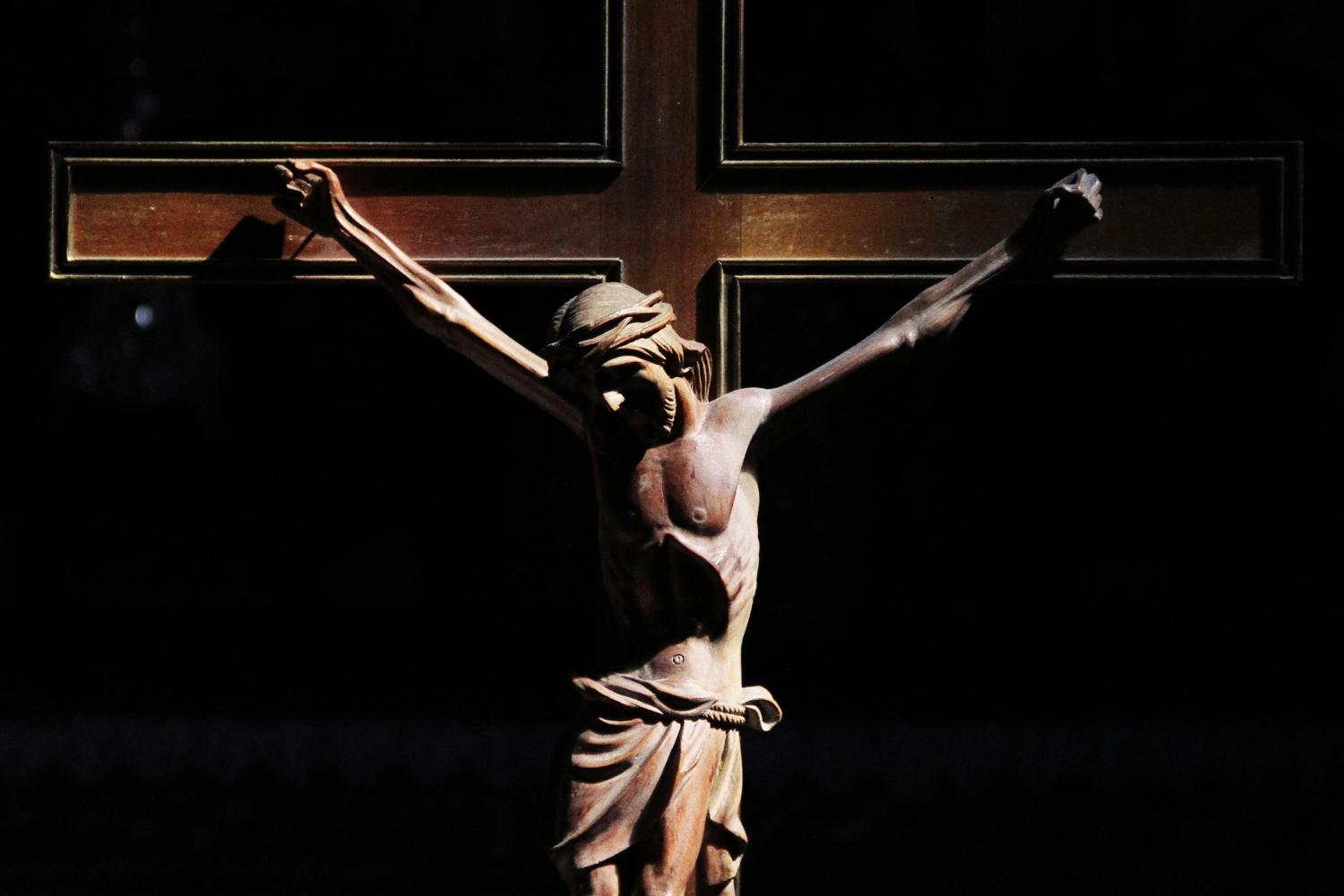
One could note that there are two great truths that lie behind the veneration of relics. The first is the Incarnation: God took upon himself our passing human flesh, and changed forever our understanding of what that flesh is capable of. That is the great miracle that still astonishes us. The second truth follows from that. The divine nature being joined to a human nature in Christ, while an absolutely unique event, is also not a one-off event. It was the beginning of a new humanity. Jesus is the first deified human; but he promises that his followers will become deified humans as well. Indeed that is the great promise of faith. We have been made capax Dei, capable of participating in the divine nature.
Thus the importance of the Church’s declaration of sainthood for a given person is that it is authoritatively claiming that that person achieved their end, in this respect – and had achieved it while still on earth. The Church is claiming that the saint was and is united to God; that they did and do share the divine being. Saintly remains, then, from one point of view, are just biological detritus, exactly like any other human remains. But from another point of view, they’re also exactly unlike other human remains: they’ve been penetrated by divinity; they’ve been united to a deified soul. They point to, but also put us into tangible contact with, the incarnational nature of God’s kingdom.
This helps to explain why there have been so many miracles associated with saints’ relics. There is a different quality present in them – not a magical quality, but the quality of God, who has made of that particular life and body a channel of his grace and power.
Of course, the skeptical, often scientistic mind may still find all of this fanciful and silly, even morbid and degrading. But that’s because such a mind is attached to superficialities, and unable to touch the full depth of reality. As John Henry Newman once said, “Truth is not on the surface of things, but in the depths.” May we have the faith to look into those depths truly.